
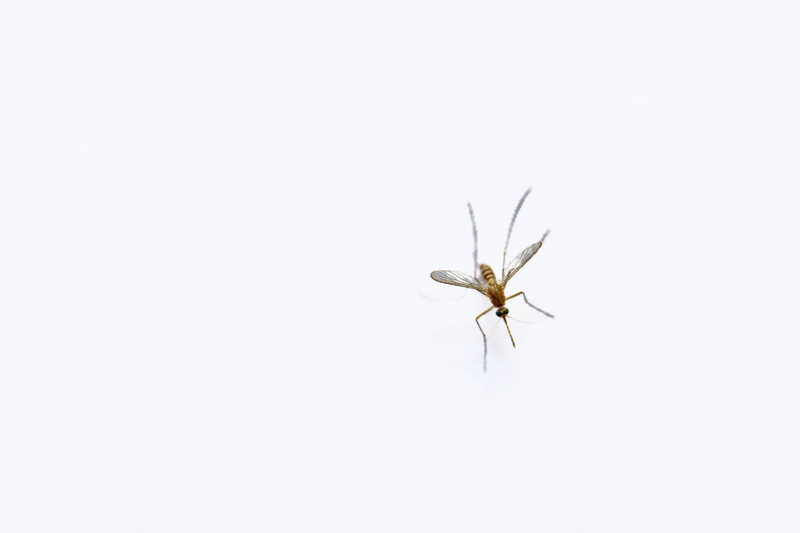
Surviving Summer Pests: Battling Flies, Ticks and Mosquitoes
Hot weather isn't the only thing you need to be wary of this season. As the Australian summer arrives, so do the pesky companions—flies, ticks and mosquitoes. These tiny creatures can put a damper on outdoor activities but understanding how to avoid and treat their bites can make your summer adventures much more enjoyable.
Why Are These Pests So Bad in Summer?
Summer brings warmth and humidity creating the perfect environment for these pests to thrive. Flies are attracted to food; Mosquitoes breed in stagnant water all while Ticks are seeking hosts for feeding and reproduction in the warmer months.
Avoiding Summer Pests & Treating their mighty bites
Summer pests can be bothersome, but with proper precautions and timely treatment their impact can be minimised. Knowing how to prevent bites is your best summer protection – spray up and cover up! Too often we are caught out having fun that being bitten may be unavoidable therefore knowing how to treat the bites quickly can avoid an unwanted itch.
Flies: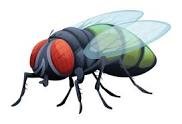
House flies have the potential to transmit diseases like food poisoning and dysentery. Flies including stable flies and mosquitoes (both categorised as Diptera), can inflict painful bites as they feed on the blood of humans and animals. Certain species among these flies are known to transmit diseases.
This Summer always keep food covered and sealed to prevent attracting flies. Use fly screens and close doors and windows to keep them out of your home and invest in a strong fly repellent, traps or citrus candle when spending time outdoors.
If you are unlucky enough to be bitten by a fly clean the affected area with soap and water and apply an over-the-counter cream or lotion to help alleviate itching and irritation.
In most cases, people with food poisoning get better on their own without medical treatment. You can treat food poisoning by replacing lost fluids and electrolytes to prevent dehydration. In some cases, over-the-counter medicines may help relieve your symptoms. If symptoms persist you should always consult a doctor.
Ticks:
Ticks are parasites that feed on human and animal blood. Tick bites are usually harmless but sometimes they can cause an allergic reaction or serious illness.
To avoid tick bites, swear long sleeves, pants and enclosed shoes when venturing into grassy or bushy areas and use insect repellents containing DEET on exposed skin.
After outdoor activities conduct a thorough check for ticks, especially in warm areas of the body.
A thorough check includes:
- Around the hairline
- In and behind the ears
- Under arms and between the legs
- Knees and ankles
If you spot a tick, it will have to be carefully removed using a pair of fine-tipped tweezers to gently grasp the tick as close to where it is attached to the skin as possible. Don't twist or sharply pull the tick as this can cause the mouth parts to break off and remain in the skin. Instead, pull upward with steady, even pressure trying to avoid squeezing or puncturing the body of the tick while removing it.
Medi Freeze Tick Off spray removes ticks quickly and provides an innovative applicator for the removal of ticks. Suitable for children aged 4 years and up. After removal, wash the bite and your hands with soap and water and apply an antiseptic to the bite area.
Mosquitoes:
When a mosquito bites you, it pierces the skin to suck up blood. As the mosquito is feeding, it injects saliva into your skin. Your body reacts to the saliva resulting in a bump and itching. Some people have only a mild reaction to a bite or bites. Other people react more strongly, and a large area of swelling, soreness and redness can occur.
Mosquitoes are notorious for spreading diseases through their bites. A mosquito gets infected with a virus or parasite when it bites a person or animal that is infected. The infected mosquito can spread germs to other people or animals through bites. Several mosquito-borne viruses have been identified in Australia. The major Australian mosquito-borne disease risks are Ross River Fever, Barmah Forest infection, Murray Valley encephalitis and Kunjin virus disease.
Preventing Mosquito bites may not be that easy but there are ways to prevent the unwanted pests lingering around. Remove stagnant water around your home to eliminate breeding grounds. Use mosquito nets and screens, especially during sleeping hours and apply insect repellents, bands or patches to deter them.
If bitten relieve itching with Ego Soov Bite, calamine lotion, ice packs or antihistamines. Seek medical attention if experiencing severe reactions or symptoms of mosquito-borne diseases.
The presence of uninvited guests: flies, ticks and mosquitoes can quickly dampen the outdoor experience. Having treatment on hand can offer relief and allow you to get back to enjoying the great outdoors.
Add these Summer must haves to your next shopping list:
- Fly Spray
- Citronella Candle
- Food Covers
If you liked this blog, check out our Summer Healthy You Magazine - Pharmacy 4 Less Discount Chemist