

Food allergies aren't just picky eating with flair, for some people even a tiny trace of the wrong food can cause a life-threatening reaction called anaphylaxis. That’s why having an adrenaline injector (epinephrine auto-injector) close by isn't just a good idea — it’s a lifesaving one.
Let’s look at when to use adrenaline, how to spot anaphylaxis and what every bystander should know in the heat of the moment.
Anaphylaxis: The Body’s Worst Overreaction
Anaphylaxis is a severe, rapid-onset allergic reaction that can affect multiple body systems: skin, lungs, gut, heart and throat all in a matter of minutes. It's the immune system on overdrive, thinking it is saving your life when it is actually threatening it.
Common food triggers include:
- Dairy: Milk, cheese, yoghurt and other dairy products especially in children.
- Eggs: While chicken eggs are the most common cause, other animal eggs like duck, turkey or quail can also trigger reactions.
- Peanuts: Peanuts are a major trigger for food allergies, especially in children.
- Tree Nuts: Cashews, walnuts, almonds, pecans and other tree nuts.
- Shellfish: Crustacean shellfish like prawns, lobster and crab.
- Fish: Various types of fish can trigger allergic reactions.
- Soy: Soybeans, soy milk and soy sauce.
- Wheat: Wheat is a major trigger for allergies particularly in children.
- Sesame: Sesame is a recognised allergen, and manufacturers are now required to list it on food labels.
Signs and Symptoms of Anaphylaxis
Anaphylaxis often starts with mild symptoms but can escalate fast, so early recognition is critical. Here’s what to look out for:
Mild to Moderate Symptoms (that may precede anaphylaxis):
- Hives, welts or redness
- Swelling of the lips, eyes or face
- Tingling mouth
- Abdominal pain, vomiting
Signs Anaphylaxis is on the Scene:
- Difficulty breathing (wheezing, persistent cough, throat tightness)
- Swelling of the tongue
- Hoarse voice or trouble talking
- Dizziness or collapse
- Pale and floppy (in young children)
- Rapid or weak pulse
Adrenaline Auto-Injectors: The Life-Saving Jab
An adrenaline injector available from your doctor or Pharmacist is the first-line treatment for anaphylaxis. Adrenaline works fast to:
- Reverse airway swelling
- Increase blood pressure
- Calm the immune system’s chaos
Antihistamines and asthma inhalers are helpful for mild symptoms, but they won’t stop anaphylaxis. Only adrenaline can.
When to Use It?
If in doubt, whip it out. Seriously if someone with a known food allergy is showing any signs of anaphylaxis use the injector immediately. If you delay, it can be deadly. Even if symptoms improve after one dose, still call emergency services. Adrenaline buys time, not a total cure.
How to Use an Auto-Injector
Each brand has its own instructions, but here’s the basic drill:
- Remove safety cap.
- Press the tip firmly into the middle of the outer thigh at right angle (through clothes is fine).
- Push the auto-injector firmly until it “clicks.” The click signals that the injection has started.
- Hold for 3 seconds (or as directed).
- Call an ambulance (000 in Australia).
- Lie the person flat (unless they’re vomiting or having trouble breathing).
- Administer a second dose if symptoms persist after 5–10 minutes.
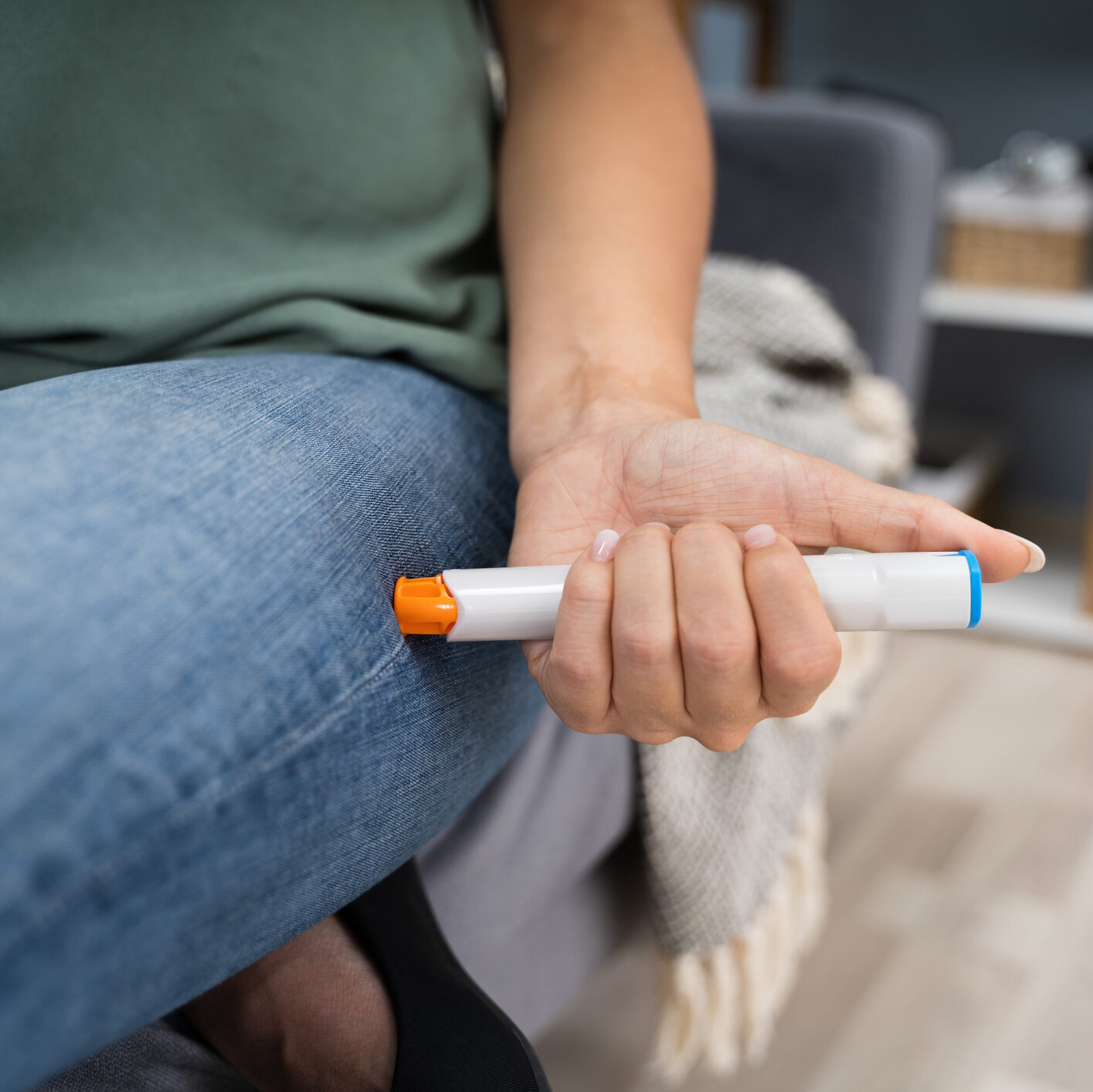
An adrenaline injector must be injected into the outer mid-thigh muscle, not the buttock, arms, or fingers. This location ensures rapid absorption of the adrenaline and minimises the risk of accidental nerve or blood vessel damage.
Carrying an Injector & Knowing How to Use One
Food allergies are on the rise, especially in kids so being adrenaline aware is fast becoming a vital life skill. Whether you're a parent, teacher, sports coach or just someone who eats at restaurants, it pays to know the signs and be ready to act. Remember: In anaphylaxis, the worst mistake is doing nothing.
Quick Recap:
- Anaphylaxis = Medical emergency
- Adrenaline first, ambulance next
- Act fast, don’t delay. There’s no time to second-guess. Inject.
Living with Food Allergies
Living with food allergies isn't always easy, but with the right knowledge, tools, and mindset it is possible. Here's a mix of tips and tricks to help navigate life with food allergies:
- Always carry your meds. Adrenaline auto-injector, antihistamines, never leave home without them.
- Wear medical ID. Especially if you’re alone, unconscious or doing something adventurous.
- Teach your circle. Friends, family, teachers, coworkers, make sure they all know what to do in an emergency.
- Read EVERYTHING. Labels change. Even “safe” brands can switch up their ingredients or manufacturing practices.
- Pack safe treats. For parties or class events, stash allergen-free goodies so you're never left out.
- Don’t apologise for staying safe. You’re not "picky", you're proactive.
Whether you are managing allergies for yourself, your child or someone you love, remember preparation is power and education is everything. Recognising the signs of anaphylaxis and knowing how (and when) to use an adrenaline injector can save lives, yours or someone else's. Keep your injector close, your support system closer and never underestimate the strength of living allergy aware.